Understanding and Managing Aging Feet Changes for Better Foot Health

Understanding and Managing Aging Feet Changes for Better Foot Health

Aging feet changes encompass a series of physiological alterations that occur in the feet as individuals grow older. These changes impact various aspects of foot health and can significantly affect overall well-being. Understanding these transformations is crucial for proactive foot care and management. Foot pain is prevalent among aging individuals, often attributed to conditions like … Read more

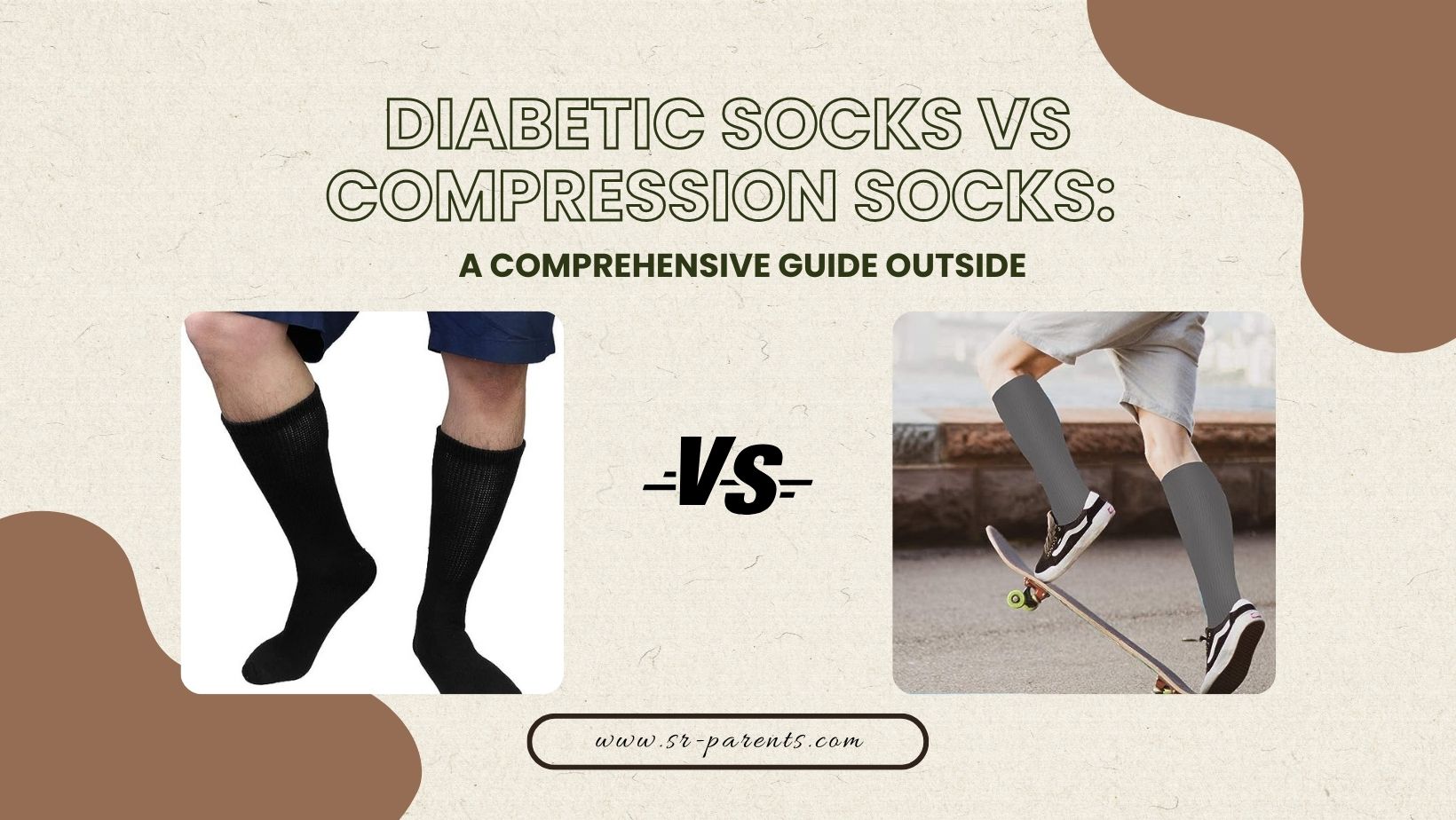
Diabetic Socks vs Compression Socks: A Comprehensive Guide

Diabetic Socks vs Compression Socks A Comprehensive Guide

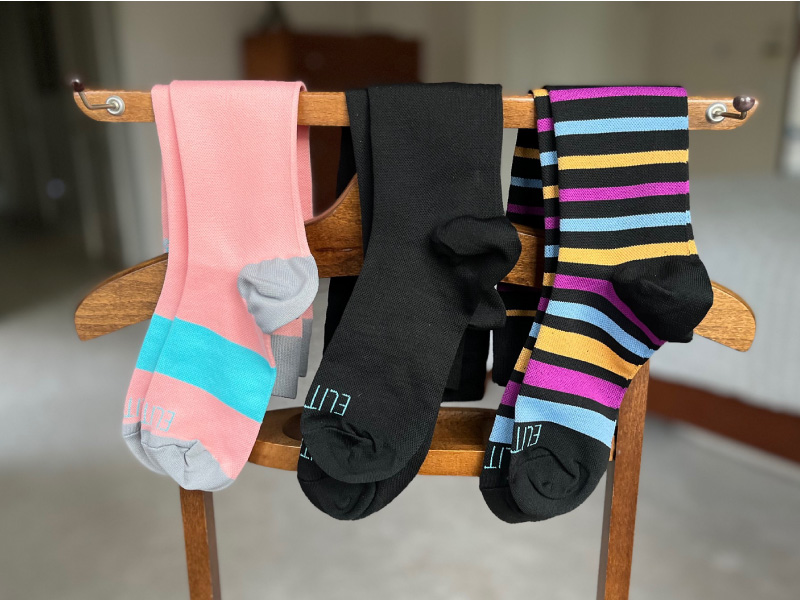
Diabetic and compression socks are two distinct types of specialized hosiery designed to address specific medical and everyday needs. Diabetic socks are tailored for individuals with diabetes, focusing on providing maximum comfort and protection. They are crafted from moisture-wicking materials to keep feet dry, possess seamless toes to prevent chafing and promote proper blood circulation to prevent complications like neuropathy and foot injuries.


On the other hand, compression socks cater to a broader audience, targeting individuals seeking enhanced blood circulation and reduced swelling in their lower legs. These socks utilize graduated compression, which aids blood flow back to the heart, potentially preventing issues like varicose veins and blood clots. They are often recommended for those who spend extended periods sitting or standing and athletes aiming to improve their performance and recovery.


While diabetic socks, crafted from moisture wicking material, prioritize moisture control and comfort for diabetes patients, wearing diabetic socks is essential. Compression socks, on the other hand, primarily concentrate on blood flow improvement and swelling reduction. This crucial distinction is important in medical and lifestyle contexts, where the choice between the two depends on specific needs.


Diabetic socks and compression socks play distinct roles in the realm of specialized hosiery. They understood their differences, such as their focus on moisture management and blood flow enhancement, which aids in making informed choices based on individual requirements. Whether for promoting overall health, preventing circulation-related issues, or addressing specific medical conditions, both socks offer valuable benefits that can positively impact daily comfort and well-being.

Diabetic Socks


Diabetic socks stand as a protective barrier for sensitive feet, addressing the heightened vulnerability experienced by individuals with diabetes. With a focus on minimizing friction and irritation, these socks become a reliable companion for those aiming to prevent foot injuries and related complications. Additionally, diabetic socks aid in averting pressure points that can lead to discomfort or even ulcers. By distributing pressure evenly across the foot, these socks contribute to the preservation of healthy skin and blood flow.


Material and Construction


  • Seamless Design: One of the standout features of diabetic socks is their seamless design. This meticulous construction eliminates seams that could cause friction against the skin. For individuals with diabetes, even minor abrasions can pose significant risks due to compromised healing processes. By employing seamless designs, these socks mitigate the chances of such abrasions, enhancing overall foot protection and comfort.


  • Moisture-Wicking Fabric: Managing moisture is a critical aspect of diabetic foot care. Excess moisture can create an environment conducive to fungal and bacterial growth, further escalating the risk of infections. Diabetic socks often incorporate moisture-wicking fabrics engineered to pull sweat and moisture away from the skin’s surface. This wicking action helps keep the feet dry and reduces the likelihood of skin-related complications, making them an essential choice for individuals concerned about foot health.


Specific Benefits for Diabetics


  • Preventing Blisters: One of the key benefits of diabetic socks is their ability to prevent blisters, a common concern for individuals with diabetes. These socks’ seamless construction and moisture-wicking properties reduce friction between the foot and the sock, minimizing the risk of blister formation. The soft and cushioned footbed further enhances comfort, providing a protective barrier between the foot and potentially abrasive footwear.
  • Reducing Risk of Foot Ulcers: Foot ulcers pose a significant threat to diabetic individuals, often leading to severe complications. Diabetic socks are pivotal in reducing the risk of foot ulcers by promoting proper blood circulation and maintaining optimal moisture levels. The graduated compression in some diabetic sock designs enhances blood flow, while moisture-wicking materials keep the feet dry, preventing excessive dampness that could contribute to ulcer development.


Limitations


  • Lack of Pressure Support: While diabetic socks promote healthy blood circulation, they might not provide the same pressure support as compression socks. Compression socks could offer more comprehensive benefits by exerting controlled pressure to aid blood flow for individuals with more advanced circulatory issues or varicose veins. Diabetic socks, though effective for mild to moderate blood flow enhancement, might fall short of addressing severe circulatory concerns.
  • Not Suitable for Certain Foot Conditions: While diabetic socks offer various benefits, they may not suit individuals with specific foot conditions. For instance, individuals with deep vein thrombosis or those prone to blood clots might require the targeted pressure exertion that compression socks provide. Similarly, in cases where swelling is a primary concern, compression socks could offer a better reduction in swelling compared to standard diabetic socks.

Compression Socks


Compression socks have emerged as a crucial element in enhancing blood circulation and managing discomfort associated with various conditions. Let’s delve into the purpose of compression socks, highlighting their role in improving blood circulation and reducing swelling and pain. By exploring the material and construction of these socks, emphasizing graduated compression and elasticity, we uncover the mechanisms that make compression socks effective in promoting better vascular health.


Material and Construction


  • Graduated Compression: A key feature of compression socks is graduated compression, which involves applying varying pressure levels to different leg areas. This design exerts the highest pressure around the ankle and gradually decreases towards the calf and thigh. This construction aims to aid the upward flow of blood by assisting the veins in overcoming the force of gravity. As a result, blood circulation improves, reducing the risk of blood clots and pooling.
  • Specific Materials for Elasticity: Compression socks are crafted from specific materials that offer elasticity while maintaining their form and pressure gradient. These materials include moisture-wicking fabrics, ensuring that feet remain dry and minimizing the risk of complications such as fungal infections. For diabetic patients, combining moisture-wicking properties and cushioned footbeds in some compression socks becomes even more beneficial, as it addresses both foot problems and blood circulation. The seamless toe design prevents irritation, particularly in sensitive foot areas common among diabetic patients.


Specific Benefits for Various Conditions


  • Varicose Veins: Compression socks have emerged as a valuable tool in managing varicose veins. These enlarged and twisted veins, often occurring in the legs, can lead to discomfort and swelling. Compression socks exert gentle pressure on the legs, helping to improve blood flow and preventing blood from pooling in the veins. This can effectively reduce the symptoms associated with varicose veins and promote healthier circulation.
  • Deep Vein Thrombosis (DVT): Individuals at risk of deep vein thrombosis, where blood clots form in deep veins, can benefit from wearing compression socks. Compression socks reduce the likelihood of blood clot formation by enhancing blood circulation and preventing stagnation. They provide consistent pressure that supports the veins in transporting blood back to the heart, lowering the risk of DVT.
  • Post-Surgical Recovery: Compression socks are commonly recommended, especially after surgical lower extremity procedures. Wearing these socks can aid in reducing swelling and preventing blood clots, which are potential complications after surgery. The controlled pressure exerted by compression socks can contribute to faster healing and improved comfort during recovery.


Limitations


  • Potential for Discomfort: While compression socks offer a range of benefits, some individuals might experience discomfort when wearing them. The pressure exerted by the socks, though designed to be therapeutic, can sometimes lead to sensations of tightness or constriction. Finding the right compression level and the appropriate fit is crucial to minimize this potential discomfort.
  • Proper Sizing Requirements: Proper sizing is essential for the effectiveness of compression socks. If the socks are too tight, they can cause discomfort, interfere with circulation, and even lead to more serious complications. On the other hand, if they are too loose, they might not provide the desired benefits. Achieving the right balance between compression and comfort necessitates accurate measurements and attention to sizing guidelines.

Comparison of Diabetic and Compression Socks


These two distinct categories of socks cater to individuals with specific needs, and understanding their nuances is crucial for informed decision-making. We will comprehensively analyze diabetic and compression socks, highlighting their similarities, differences, medical applications, specialized design, targeted users, construction and materials, and functionality and benefits.


Similarities


At a cursory glance, diabetic and compression socks might appear synonymous due to their shared focus on promoting foot health and enhancing overall well-being. However, beneath the surface, they exhibit noteworthy distinctions that align with their respective purposes.


Medical Applications


Diabetic and compression socks hold significant medical value, albeit for distinct reasons. Diabetic socks primarily cater to individuals with diabetes, aiming to mitigate complications from the condition. On the other hand, compression socks are employed to aid in various circulatory issues, including poor blood flow and deep vein thrombosis. Both socks underscore the importance of maintaining proper blood circulation and minimizing the risk of associated complications.


Specialized Design


A pivotal factor in the efficacy of both diabetic and compression socks lies in their specialized design, tailored to address specific concerns. Diabetic socks feature seamless toes and moisture-wicking properties, reducing the likelihood of foot injuries and providing comfort for sensitive foot areas.


These socks are crafted from moisture-wicking materials that help keep feet dry, preventing infection and fostering overall foot health. Similarly, compression socks boast graduated compression, which exerts varying degrees of pressure along the leg, aiding blood circulation and reducing swelling. This intricate design element enhances overall leg health, making compression socks a valuable ally for those battling circulatory issues.

Differences


While diabetic and compression socks share certain commonalities, they diverge significantly regarding their target users, construction, materials, functionality, and benefits.


Targeted Users


Diabetic socks are primarily intended for individuals who have diabetes, focusing on the unique challenges faced by this demographic. They accommodate the sensitivities of diabetic patients, providing relief from neuropathy and minimizing the risk of foot injuries. Conversely, compression socks cater to a broader audience, encompassing individuals with circulatory issues, athletes seeking enhanced performance and recovery, and individuals predisposed to blood clots.


Construction and Materials


The construction of diabetic socks emphasizes comfort and protection. They are designed with minimal seams to prevent chafing and irritation, and their moisture-wicking materials contribute to a dry and infection-free environment. Compression socks, in contrast, are engineered to exert precise pressure levels on the leg, which aids in facilitating blood flow. The materials used in compression socks are carefully selected to ensure optimal elasticity and pressure distribution.


Functionality and Benefits


Diabetic socks primarily focus on preventing foot injuries, promoting blood flow, and comforting sensitive areas. They also mitigate the risk of infections through moisture-wicking properties. Compression socks, while promoting blood circulation, provide additional benefits such as reducing leg swelling and preventing blood clots. Athletes often use compression socks to enhance performance and recovery, underlining their multifaceted functionality.

Specific Considerations for Choosing Between Diabetic Socks and Compression Socks


When selecting the right type of socks for managing various health conditions and lifestyle preferences, choosing between diabetic and compression socks requires careful consideration. Both socks serve specific purposes, addressing issues like blood circulation, foot comfort, and overall well-being. Individuals should weigh several key factors influencing their needs and health conditions to make an informed decision. Let’s thoroughly explore these factors, highlighting the crucial aspects to consider when choosing between diabetic and compression socks.


Assessing Individual Needs and Health Conditions


One of the foremost considerations when choosing between diabetic and compression socks is an individual’s specific health requirements. For those dealing with diabetes or circulatory issues, such as poor blood flow or varicose veins, both types of socks offer potential benefits. Diabetic socks are designed to prevent moisture buildup, reduce the risk of foot injuries, and promote proper blood circulation. On the other hand, compression socks are engineered to exert pressure on the legs, aiding blood circulation and minimizing swelling. Understanding one’s health condition is pivotal in determining which type of sock will provide optimal support and comfort.


Consulting Healthcare Professionals


Before making a decision, consulting with healthcare professionals is essential. Medical practitioners have the expertise to recommend the most suitable sock type based on an individual’s health history and condition. For instance, individuals with diabetes may require moisture-wicking properties offered by diabetic socks. At the same time, those recovering from surgery might benefit from compression socks’ ability to reduce swelling and promote healing. Healthcare providers can evaluate the specific requirements and advise on the best option to enhance overall foot health.


Consideration of Comfort and Lifestyle


Personal comfort and lifestyle play a significant role in the decision-making process. Diabetic socks often prioritize comfort with features like seamless toes and cushioned footbeds. Compression socks come in various pressure levels and styles, catering to different activities and preferences. Individuals who lead active lifestyles might opt for compression socks that offer extra support during physical activities. At the same time, those seeking day-to-day comfort might lean towards diabetic socks’ soft and breathable materials.


Price and Availability


The affordability and availability of both types of socks are essential considerations. Diabetic and compression socks can vary in price based on brand, features, and quality. While it’s crucial not to compromise on quality, individuals should explore options that align with their budget. Availability is another factor, as certain regions might have limited access to specialized socks. Exploring different brands, online retailers, and local stores can provide a range of choices.

Video Credit: @sarahannsfootcare2187

Elevating Foot Health through Informed Choices


Selecting the right socks is more than just a wardrobe decision; it’s a step toward promoting overall well-being. With diabetic patients, pregnant women, and individuals seeking improved circulation, informed choices can mitigate complications, prevent infections, and relieve achy legs. The interplay between various features—such as moisture-wicking properties, extra padding, and loose-fitting designs—directly impacts foot health and comfort.


While this discourse sheds light on the multifaceted dimensions of diabetic and compression socks, the uniqueness of each individual necessitates personalized guidance. Healthcare providers are invaluable allies in this journey, offering tailored recommendations harmonizing with specific medical conditions and lifestyle needs. Open conversations with healthcare professionals ensure that choices align seamlessly with overall health objectives.


Elevate your foot health; embark on this journey with wisdom and personalized care.

Frequently Asked Questions

Diabetic socks are designed to provide comfort, moisture-wicking, and reduce irritation for individuals with diabetes. Compression socks focus on enhancing blood circulation and reducing swelling in the legs.

Yes, diabetic socks often promote proper blood circulation, which is crucial for diabetic patients to prevent complications.

Wearing compression socks daily can help maintain healthy blood flow, especially for those with poor circulation or achy legs.  

Some socks offer diabetic-specific features and graduated compression to cater to various needs.  

Yes, compression socks can aid in preventing blood clots by assisting blood flow and reducing stagnation.  

Both diabetic and compression socks with moisture-wicking properties keep feet dry, reducing the risk of infection and promoting overall foot health.

? Discover Limitless Care at SR-Parents!


Are you ready to enhance your journey through senior parenthood? Join our vibrant community at SR-Parents and embark on a fulfilling adventure together. Connect with us on Facebook, Instagram, Pinterest, and Twitter for valuable insights, heartwarming stories, and expert tips tailored to your needs ??


Explore more:


  • Website: sr-parents.com
  • Facebook: facebook.com/sr.parents
  • Instagram: instagram.com/seniorparents
  • Pinterest: pinterest.com/seniorparents
  • Twitter: twitter.com/senior_parents


 Let’s navigate this wonderful chapter hand in hand!

More Interesting Stuff!


Prevent Falls and Injuries in Elderly Adults: Tips for Safety

Help Your Elderly Parents Stay Active and Engaged: Fun Activities and Tips

Elderly Broken Hip Life Expectancy: Understanding Factors and Implications
 

Comfort Cape Shampoo Aid Review

Comfort Cape Shampoo Aid Review

Are you ready to experience a revolution in your hair-washing routine? Imagine enjoying a relaxing seated position while effortlessly getting your hair cleaned and pampered. Say hello to the Comfort Cape Shampoo Aid – the ingenious solution about transforming the way you approach haircare.   We all know the struggle – the uncomfortable bending, the … Read more

Elderly Broken Hip Life Expectancy: Understanding Factors and Implications

Elderly Broken Hip Life Expectancy Understanding Factors and Implications

A broken hip, also known as a hip fracture, is a severe injury commonly affecting older adults. It refers to a break in the upper part of the femur (thigh bone) near the hip joint. Hip fractures are associated with significant morbidity and mortality rates, making it crucial to understand the life expectancy of elderly … Read more

What Is Overpronation? Understanding the Causes and Effects

What Is Overpronation? Understanding the Causes and Effects

Overpronation in elders is a common foot condition that describes the excessive inward roll of the foot after it lands on the ground. This natural movement, known as pronation, becomes problematic when it exceeds normal limits. Understanding overpronation is vital to foot health and overall physical wellness.       Motion-control shoes or stability shoes … Read more

Essential Foot Care for Elderly: Top Tips to Keep Aging Feet Healthy and Comfortable

Essential Foot Care for Elderly Top Tips to Keep Aging Feet Healthy and Comfortable

Essential Foot Care for Elderly: Top Tips to Keep Aging Feet Healthy and Comfortable ‍Image Source: Unsplash   ‍As we age, our body goes through various changes, and our feet are no exception. Foot care for elderly individuals is essential, as the feet bear the weight of our bodies and play a crucial role in … Read more

Common Foot Problems in Older Adults

The delicate dance between time’s passage and the well-being of our feet can give rise to painful feet, exacerbated by the constricting embrace of tight and narrow shoes. Aging feet, with their unique vulnerabilities, become susceptible to various foot and ankle issues, influenced by a multitude of risk factors.   In this intricate ballet of … Read more

Lifestyle Changes for Arthritis in the Feet

Lifestyle Changes for Arthritis in the Feet

Lifestyle Changes for Arthritis in the Feet


lifestyle changes

Lifestyle has always been the way a person lives their life. For me, though, it all boils down to the choices that they make every day! Now those choices get affected by many factors, especially if they have illnesses. In this article, I’ll do my best to give you my take on lifestyle changes for people with Arthritis. I’ll also give out important points to remember when making the changes.


What is Arthritis?


Arthritis is a prevalent condition that affects many people, young and old, worldwide. It is generally inflammation or swelling of the joints in your body. The best way to describe it would be pain in the knees or feet. This stiffness or pain usually pops up at age 40 and above. Though nowadays, that is not the case. People tell me that they’re taking medication for arthritis in their mid-30s.


Recent and Common Lifestyle


Now I’m not talking about everybody when I say that current lifestyles have been very bad. People often underestimate how much a burger or even a tiny cheesecake can hurt your body. Coupled with the lack or refusal to exercise, it will do a number on anyone’s body. That’s why it’s unsurprising that people are getting things that only older people should. Though recently, most of the complaints I have been hearing are arthritis. Some are saying that their elbows or wrists hurt more. But most will almost always say that their knees and feet hurt more often.


Arthritis in the Feet


lifestyle changes


People often get arthritis in their feet, making life very difficult. This is because it makes even walking challenging because of the persistent pain! This applies to both the young and old. But for the latter, it’s even more of a nightmare to live with! The good news is that you can make several lifestyle changes to manage, lessen, or eliminate the pain or difficulties! The lifestyle changes I will give will focus more on older people since they have it worst. Just remember that doing and sticking to the changes is essential!


Common Types of Arthritis in the Feet


There are three common types of arthritis in the feet. These are the generally diagnosed ones. I’m giving these out to give a little bit more information. Though I would still recommend, you get an actual physician’s diagnosis.


  • Osteoarthritis


This is the “wear-and-tear” form of arthritis and gets worse over time. The worse thing about this form of arthritis is the fact that pain isn’t a reliable tell! The reason is that some people may have it bad and not even feel any pain. Generally, though, people with them will feel pain and stiffness. This especially happens if they stay still for a while. Some also experience swelling or tenderness in their ankles.


  • Rheumatoid Arthritis


Now this is the “autoimmune disease” arthritis and is less common. This means that it’s your immune system that causes the arthritis. Your immune system sees your healthy tissues are bad and attacks them. Because of the attack, swelling will almost always happen. Of course, pain and stiff joints will also follow. The worst thing about this form is that it can sometimes act up, and doctors call it “flares.”


  • Post-traumatic Arthritis


This form of arthritis happens from any trauma or injury. These can range from a bad fall and landing to even unfortunate accidents. The symptoms people get vary in type and time they get it. Some people immediately notice symptoms after a few weeks or months from injury. Others will feel it after years have gone by. The pain, swelling, or stiffness may only last a few weeks to a few months.


Lifestyle Changes for Arthritis


Now how can we prevent or help deal with arthritis in the feet? As I said earlier, the best way to do it is through lifestyle changes. The changes I’ve prepared are relatively easy to do and maintain.


1. The Need to Maintain a Healthy Weight


Let’s kick things off with the most effective lifestyle change for me. The reason why this is the most effective is that weight can contribute to arthritis! I mean, think about it for a sec. The amount of strain that your joints experience every day is always based on your weight. Let me be clear: I’m not saying you have to be skinny. I’m saying that you need to shed the extra pounds. The main goal is to avoid or lessen the unnecessary load on the feet.


Could You Tell Me How to Do It?


Maintaining a healthy weight comes easy. A combination of a balanced diet and regular exercise will always work. Eating less or avoiding unhealthy foods can do wonders for everyone’s health. Start with low-impact exercises. What’s important is that you get your blood pumping. Not too much, though, and you don’t have to overexert as well. Seniors can even get their daily dose of exercise with their everyday walk!


2. The Need to Choose Proper Footwear


Wearing appropriate footwear is essential for individuals with arthritis in the feet. Ill-fitting shoes can make things worse! Doing so already causes pain and discomfort. Wearing the proper footwear can provide support and reduce stress on the joints. Here are some tips for selecting suitable shoes:


A) Go for a Roomy Toe Box


Shoes with a broader toe box allow ample space for the toes. This may seem like a little but trust me, it works! This prevents crowding and reduces pain associated with arthritis on your toes.


B) Look for Good Arch Support


Arch support is essential for people with arthritis. It helps distribute weight evenly and reduces strain on the feet! Custom orthotics or orthopedics can help provide proper support and cushioning. Of course, even ordinary shoe inserts can do wonders by giving good arch support!


C) Choose Shoes With Low Heels


High heels put excessive pressure on the forefoot, making arthritis symptoms worse! Get shoes with a low heel or no heel to maintain stability and reduce discomfort. Of course, people will find it easier to balance and walk around with low to no heels.


D) Consider Cushioning and Shock Absorption


Shoes with adequate cushioning and shock absorption are very effective! It can help lessen the impact on the joints while walking or running. Please be sure to look for shoes with features like gel inserts or air-cushioned soles. Of course, you can also go for custom orthotics or orthopedics.


E) Avoid Narrow or Pointy-Toed Shoes


This tip is just a follow-up to my first one. Narrow or pointy-toed shoes can cause compression and discomfort on any foot. Choose shoes with a wider toe box to accommodate the foot’s shape. Pointy-toed shoes may look good, but it can’t beat the comfort you’ll experience by not getting them.


3. The Need to Engage in Gentle Exercises


lifestyle changes


Regular exercise is essential for managing arthritis symptoms in the feet. Although it may seem counterintuitive to move when experiencing pain. But engaging in gentle exercises can improve arthritis symptoms! It helps with joint flexibility, reduces stiffness, and even strengthens the muscles. Particularly the ones surrounding the affected joints. Here are some suitable exercises for people with arthritis in the feet:


A) Range-of-Motion Exercises


These exercises involve moving the joints through their full range of motion. Doing these types of activities aims to maintain flexibility. Ankle circles, toe curls, and heel-to-toe rocking are some specific examples. Of course, you should only do these exercises mildly since too much may be harmful.


B) Strengthening Exercises


Strengthening the muscles around the affected joints can provide added support and stability. Exercises such as toe raises, heel lifts, and resistance band exercises can help. These exercises strengthen the foot and ankle muscles. They are also easy to do since even your elderly loved ones can do them!


C) Low-Impact Aerobic Exercises


Activities like swimming, water aerobics, and stationary cycling are excellent exercises. This is especially true for people with foot arthritis. They help with dealing with and lessening stress on the joints. They also provide a lot of cardiovascular benefits to the heart!


D) Yoga and Tai Chi


These popular mind and body practices combine gentle movements, stretching, and deep breathing. They can improve balance and flexibility. Doing so will help manage arthritis symptoms. It can even deal with pain, stiffness, or even flare-ups.


4. You Have to Take Regular Breaks


If you have a job requiring long hours standing or sitting, taking regular breaks is essential. Prolonged periods of immobility or staying still can cause stiffness and increased pain. By taking frequent breaks, you allow your joints and feet to rest and re-energize. Breaks can be in the form of you sitting down, walking around for a bit, and even stretching! What’s important is you give time for your feet to be free from pressure. Even putting your legs up can help a lot.


5. The Need to Do Stretches


Stretching before and after exercise can help improve flexibility and reduce joint pain. I’ve been saying this since earlier since this is one of the best ways to deal with arthritis as well! Doing stretches will serve to lubricate those painful or stiff joints.


Bonus Tip!


Breathing is essential when stretching! I’m not talking about the way you’re breathing now, though. I’m talking about diaphragmatic breathing. It means you breathe from your diaphragm and core muscles. You can quickly feel it slightly over your navel and below the ribs.


6. You Can Also Take Supplements


Now when you search for or even ask people, they will give you complicated names of supplements. I’m not discrediting or even saying that they aren’t effective. Studies and people researching arthritis can attest to their effectiveness. But, for me, natural supplements will always be the best! Supplements, such as fish oil, may help reduce ankle arthritis symptoms. It doesn’t even have to be fish oil concentrate. You can also get supplements from eating particular foods. Doing so will also provide some pain relief. Flax and chia seeds also help and do wonders for arthritis in the feet!


Bonus Tip!


Like in all things, you need to have moderation when taking supplements. They are in no way considered cures for arthritis. At most, they help improve symptoms and even your body. But getting more of it into your system is not necessary nor a good thing! Too many supplements may mess up some of your body’s chemistry. Though, of course, most of the time, they will get wasted. Any excess vitamins and minerals will get flushed out. But, some can build up and result in further harmful complications!


7. Using Warm or Cold Compress


Using a warming pad or cold compress for a few minutes can do wonders! It can easily loosen a stiff ankle joint, making movements easier. Of course, it depends on the situation which one to use and for how long. Icing the ankle joint 15 or 20 minutes after activity can decrease swelling. It will also definitely provide some immediate pain relief. It would be best if you remembered that heating or icing a joint may improve symptoms for a bit. It does not affect the actual cause of ankle pain and will not improve long-term joint function.


8.  Visit and Consultations Needed


Please make sure to have frequent visits and consultations with physicians. The reason for that is because, as I said before, arthritis gets worse over time. Even with the lifestyle change, it’s not guaranteed that other factors may play in and make things worse. Getting a professional to take a look at your problems is always a good thing. They can even recommend other things to help with your foot’s pain or stiffness. Plus, knowing more about your body will always be a good thing.


Lifestyle Changes and Consistency


Living with arthritis in the feet can be challenging. But by making lifestyle changes, people can deal with pain and improve mobility. They can even enhance their quality of life. Again, consult with your physicians as well and regularly! Nothing will ever beat personalized advice and recommendations! By doing these lifestyle changes, I hope you or your elderly loved one can improve not just with the pain and stiffness but with your entire life. Making these changes will also help in giving you control over arthritis! Finally, you need to remember that consistency is the key! It would be best to keep doing these lifestyle changes without taking breaks to get the best results. Have patience, perseverance, and a positive attitude when dealing with arthritis!

Walking Hand in Hand: Empowering Lifestyle Changes for Arthritis in the Feet


Embracing lifestyle changes can greatly alleviate the challenges posed by arthritis in the feet, promoting improved comfort and mobility for older adults under your care. By prioritizing a holistic approach, such as maintaining a healthy weight, engaging in regular low-impact exercise, and wearing appropriate footwear, you can help manage the symptoms of arthritis effectively. Additionally, assisting with the modification of the living environment to reduce potential hazards and promoting stress reduction techniques can further enhance the well-being of individuals facing this condition. Remember, small adjustments in daily routines and providing emotional support can go a long way in empowering older adults to lead fulfilling lives despite arthritis in their feet. Your compassionate guidance will be instrumental in facilitating these essential lifestyle changes, enabling your loved ones or those in your care to live life to the fullest extent possible.

Watch YouTube Videos


Here are some YouTube videos I recommend watching! They are very informative and highly entertaining. They can give more information on arthritis in the feet and how to deal with it!

Video Credit: @WebMD

Video Credit: @arthritisadventure


Frequently Asked Questions:

For as long as possible. You will only see the best effects after doing these changes for some time. Of course, if your physician recommends otherwise, then follow what they say. Though it’s unlikely that they’ll have you stop living healthily.

It depends actually. For diet changes, you have to be consistent and avoid even having cheat days. For exercise and others, do so in moderation since again, too much can make things worse.

Yes. My answer comes from experience. I’ve taken natural supplements and have had testimonies from others as well. They work but then again there will always be cases where they won’t do much. Studies are being done on them and some are seeing positive results while others with none. Also, always consult your physician before taking in anything other than food.

Join a Warm and Caring Community for Senior Care!


If you want to join a community centered on helping elderly loved ones, then look no further! Our other social media platforms is filled with great insights, amazing discussions, and witty banter too. Aside from that, you’ll be able to gain knowledge wherever you are also. Still not convinced? Well, in our other social media platforms, we also have amazing camaraderie with like-minded individuals that will provide you with a safe haven.


No need to feel shy or embarrassed, all opinions are valid opinions here.

Facebook: https://www.facebook.com/sr.parents

Instagram: https://www.instagram.com/seniorparents/

Pinterest: https://www.pinterest.com/seniorparents/

Twitter: https://twitter.com/senior_parents

Read More


How Arthritis Affects the Feet

How Arthritis Affects the Feet

Arthritis is one of the common pains older adults face in life. Approximately 1 in 4 U.S. adults (54.4 million people) report a diagnosis of arthritis. Knowing how arthritis affects the feet will help you learn to live with it. Or learn how to help your loved one deal with arthritis. As someone with arthritis, most … Read more

Orthotic Shoes vs. Orthopedic Shoes

Title-Orthotic Shoes vs. Orthopedic Shoes

Walking and even standing for a period of time can get exhausting for our feet. The elderly feel this difficulty even more, especially if they have foot conditions! That is why specialists have created orthopedic or orthotic shoe components. But are they the same though? In this article, I’ll talk about orthotics vs orthopedics and … Read more

Optimized by Optimole
error: Content is protected !!

Pin It on Pinterest